Residential House Washing in Senoia, GA
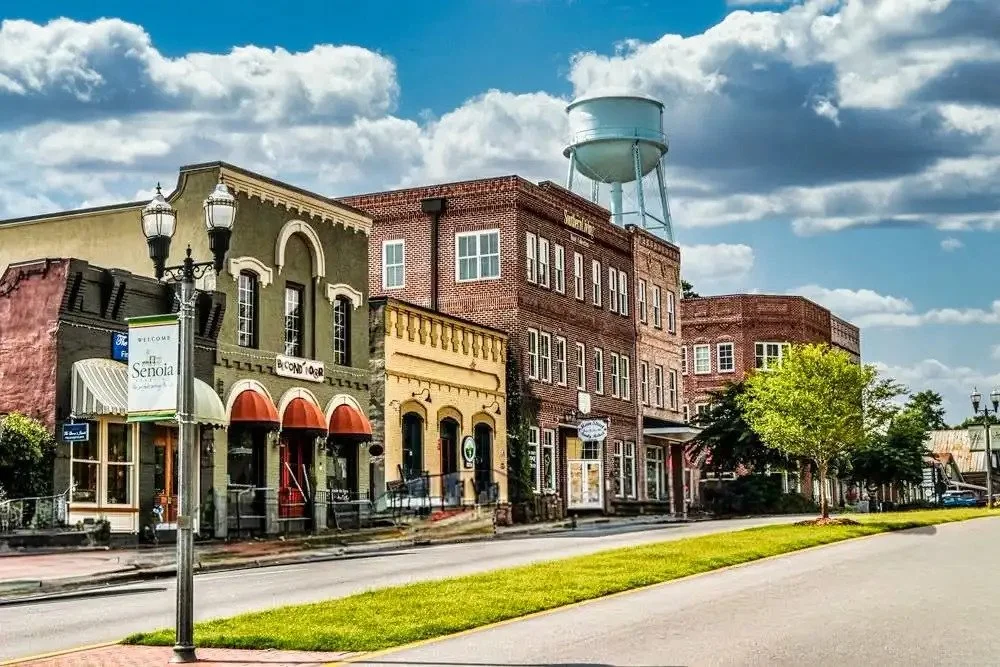
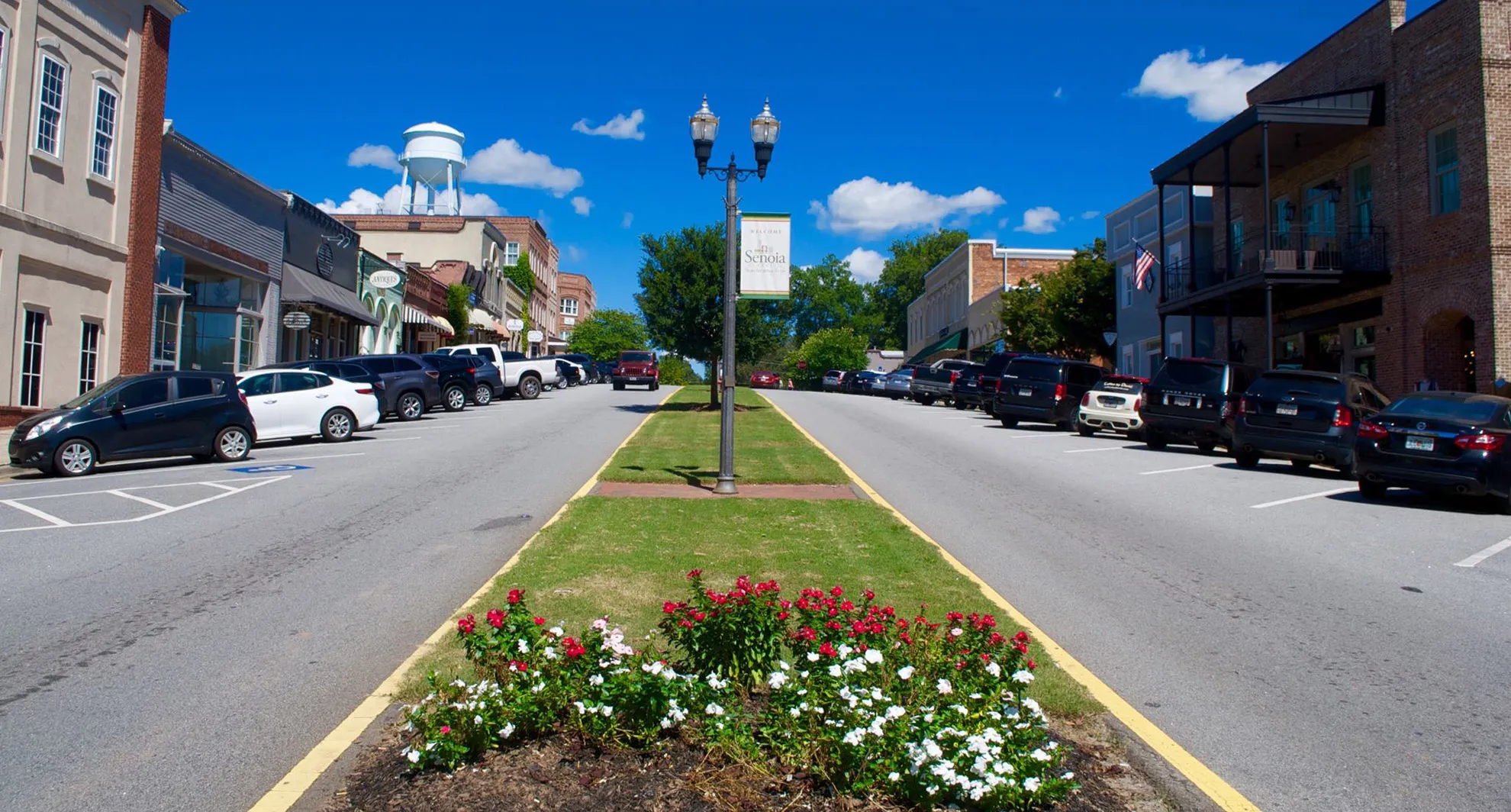
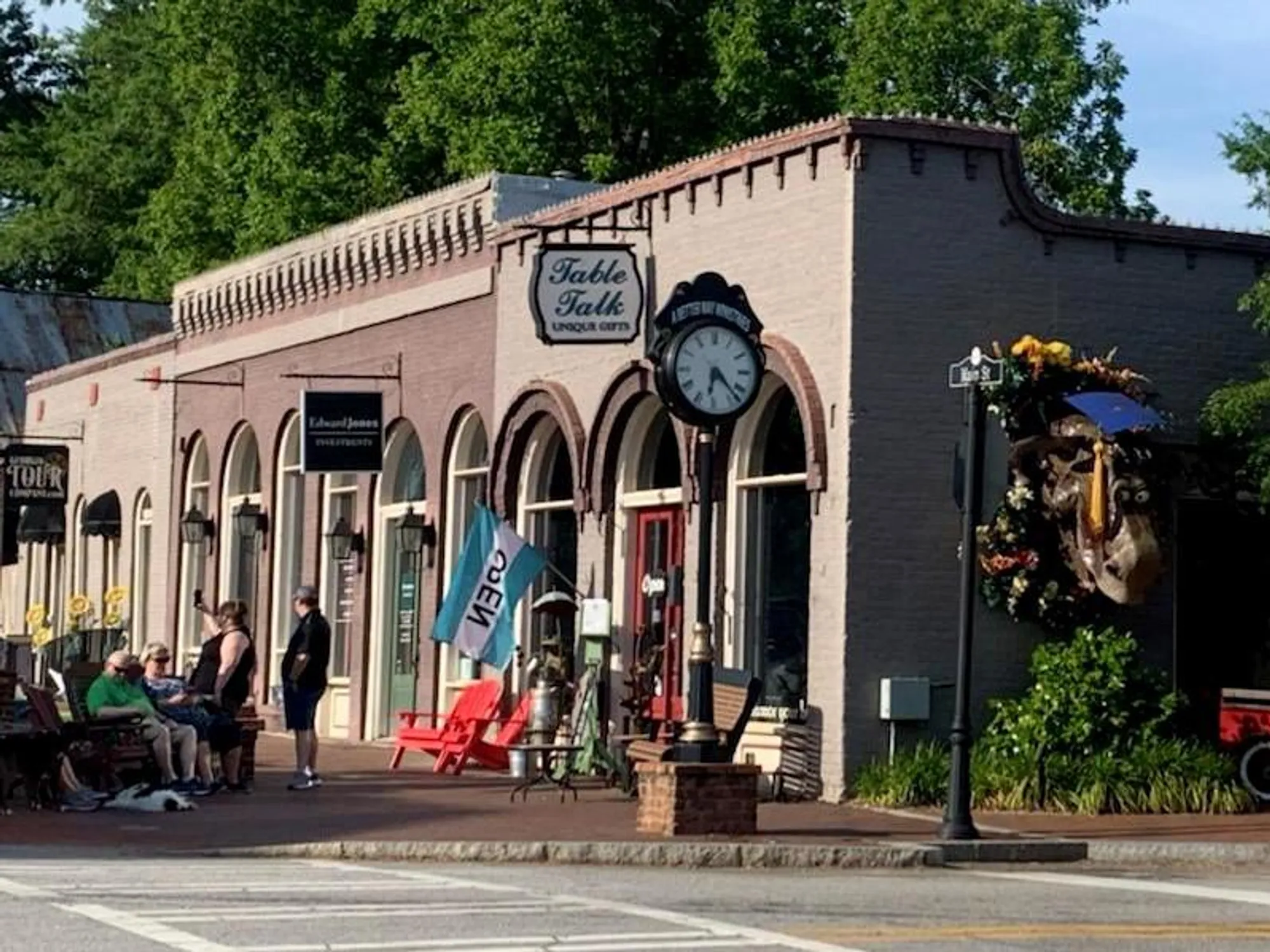
Senoia is one of the most recognizable small towns in Georgia — a community that takes genuine pride in how it looks. Historic homes line the streets near downtown. Newer subdivisions spread out along the country roads beyond. Whether your home dates back a century or was built in the last decade, Georgia's climate has been working on its exterior the whole time. Mold, algae, and pollen don't care how charming the neighborhood is.
What We Remove From Senoia Homes
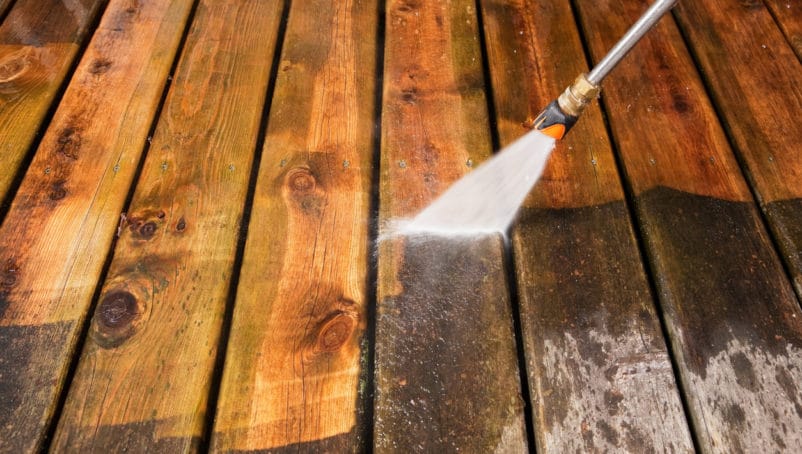
Green algae creeping up siding from foundation and landscaping beds
Dark mold and mildew streaking from rooflines, eaves, and chimney faces
Pollen film that coats every exterior surface through Georgia's spring season
Dirty soffits, grime above windows, and buildup around garage doors
(678) 590-9534
How It Works
01
Get a free estimate
Call or reach out online. We'll ask about your home's age, exterior material, and what you're seeing on the outside.
02
We come to your home
We assess the full exterior — all four elevations, soffits, fascia, chimney faces if applicable, and the foundation line. Then we get to work.
03
Clean exterior, same day
Most Senoia homes are completed in a single visit. The results are immediate — dark streaking, green algae, and pollen film are gone.
Frequently Asked Question
Is soft washing safe for historic painted wood siding?
Yes — it's actually the preferred method for older painted surfaces and original woodwork. Soft washing cleans without stripping paint or stressing aged wood the way high pressure would.
My home has original brick from the early 1900s. Can you clean it without damaging the mortar?
Yes. We adjust our cleaning chemistry specifically for older masonry. Soft washing is gentle on historic mortar joints while still eliminating biological staining effectively.
How long does house washing take?
Most Senoia homes are completed in 2 to 4 hours. Larger properties or homes with significant buildup may take a bit longer.
How often should I schedule house washing?
Once a year is typical for most homes in this region. Historic homes with painted wood surfaces and homes with heavy tree coverage may benefit from attention every 9 to 12 months.